Biomethane production in Latvia is being discussed more frequently; however, this topic is often accompanied by myths that hinder public understanding of this resource’s potential. In reality, biomethane is already a significant element of sustainable energy that can strengthen Latvia’s energy independence by promoting the use of local energy resources and reducing reliance on fossil fuels. To encourage a clearer understanding, let’s examine three common myths and their rebuttals.
Myth 1: Biomethane production in Latvia is not economically viable
A widespread belief is that biomethane production in Latvia is not financially feasible. In fact, locally produced biomethane can effectively replace fossil natural gas, thereby reducing dependence on imports and lessening the impact of price fluctuations on the economy. One of biomethane’s key advantages is its stability—unlike variable renewable electricity, biomethane can be stored and transported using the existing gas infrastructure.
Latvia has significant biomass resources and a growing demand for green energy, pointing to promising prospects for biomethane production. Under the EU Green Deal, support mechanisms are being introduced to promote the development of this sector, including subsidies and tax incentives, which help to create a favourable investment environment. Furthermore, research by the European Biogas Association shows that the economic benefits of biomethane—such as job creation, organic waste recycling, emissions reduction, and energy security—amount to at least €84/MWh, making this technology not only environmentally friendly but also financially advantageous.
Myth 2: Biomethane production only benefits a few businesses
There is a notion that biomethane production is a limited business model, favouring only large energy companies. However, in reality, many players can participate in the biomethane production cycle—from farmers to food producers and even individual consumers. Food companies can gain economic value by converting organic waste into energy, while cattle farms can use biogas technologies to efficiently process manure and produce digestate—a sustainable alternative to mineral fertilisers.
Already, leading food companies such as Agro Tērvete and Balticovo are using biogas in their operations, thereby promoting green energy use and reducing carbon emissions. Increasingly, residents who sort organic waste into brown bins are also participating in the biomethane production process, creating a closed-loop sustainable system where waste is transformed into energy. This positive trend not only helps to reduce the volume of waste but also improves the availability of renewable energy resources, supporting local energy independence and building a greener future.
Myth 3: Biomethane has no future prospects
It is often assumed that biomethane has no long-term development potential, but available data suggests otherwise. Across Europe, demand is rapidly growing for BioCNG (compressed biomethane) and BioLNG (liquefied biomethane) in the transport sector. Major logistics companies, including Amazon, DHL, and IKEA, are actively investing in biomethane technologies. These investments not only ensure the efficient use of energy but also support the development of the biomethane market, which can become a key renewable energy source for both transport and industrial sectors.
In addition, given the EU’s targets to reduce greenhouse gas emissions, biomethane is viewed as a vital component of the transition to a more sustainable energy system. Latvia’s biomethane production potential is estimated at up to 4 TWh annually—around half of the country’s natural gas consumption. Such potential could significantly reduce reliance on imported energy sources and promote national energy independence. Moreover, by collecting and processing organic waste, biomethane can contribute to regional development, creating new economic opportunities, particularly in agriculture and waste management.
EU forecasts suggest that by 2030, biomethane production could generate annual economic benefits worth €38–78 billion, with Latvia potentially seeing up to €200 million in gains. These figures clearly demonstrate that biomethane development is not only strategically important but also a sustainable investment in the country’s future.
Conclusion
The importance of biomethane in Latvia and across Europe continues to grow, and the myths surrounding its economic feasibility, limited benefits, and lack of future prospects do not reflect reality. The use of locally produced biomethane can make a significant contribution to the economy, the environment, and energy security, helping Latvia become less dependent on volatile fossil energy markets while also strengthening its position in the development of green energy in the Baltic region.
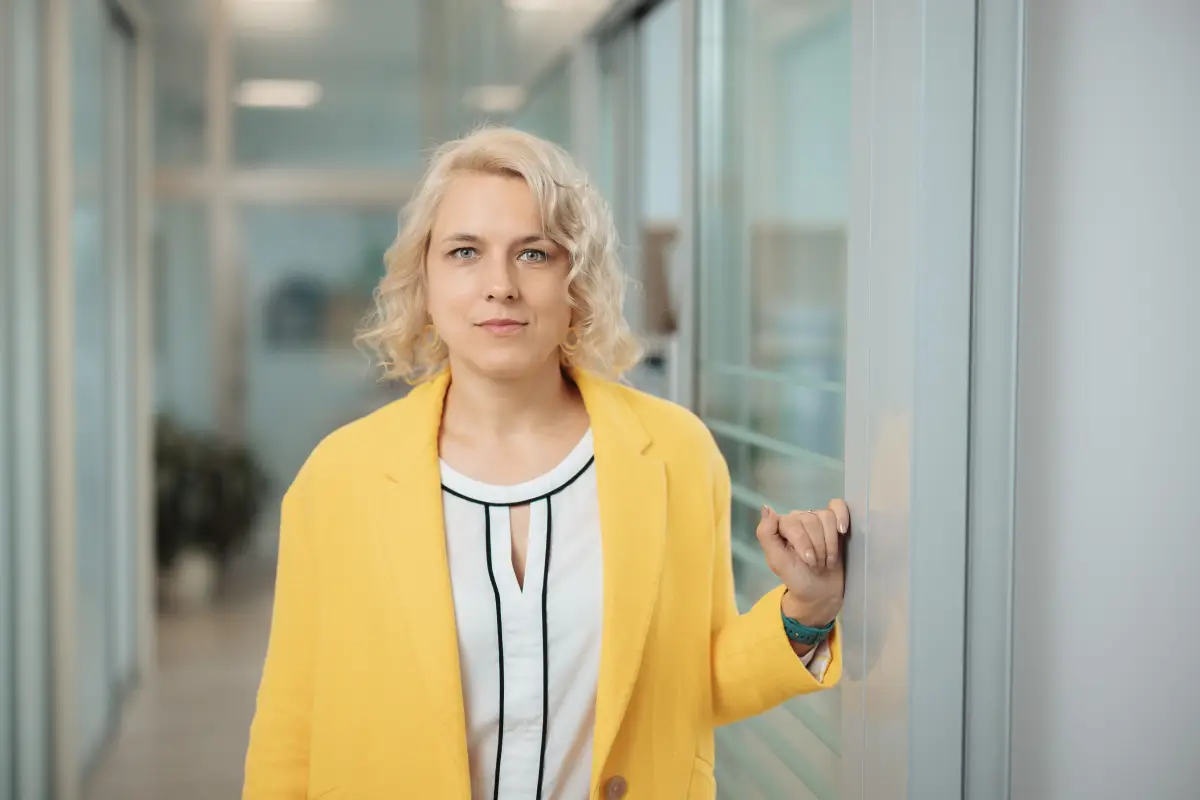
Kristīne Veģere, Dr.Sc.ing., Board Member of the Latvian Biogas Association, Sustainability Project Manager at “Virši”